
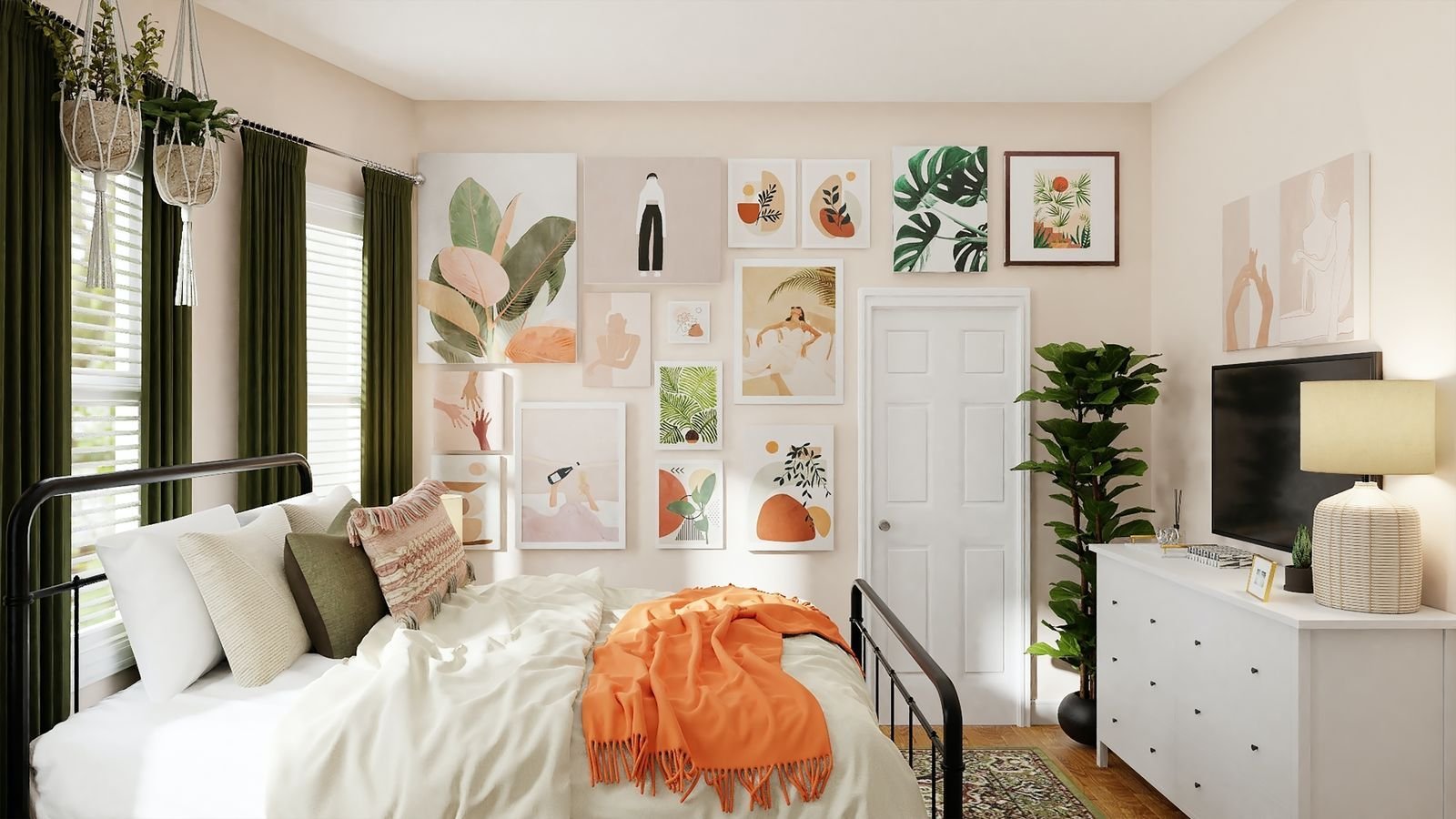
Three years, four different rented flats, and I’ve learned this the hard way — landlords notice everything during the final inspection, right down to a faded patch on the wall where a poster used to be. Figuring out how to decorate rented home spaces without leaving a trace takes a bit more thought than decorating a place you actually own. But it’s absolutely doable, and honestly, some of these damage-free tricks look better than the permanent alternatives anyway.
If you’ve ever hesitated before hammering a nail into a rented wall, you already know the anxiety I’m talking about. Let’s go through what actually works in 2026, without risking your security deposit.
Why Renters Need a Different Decorating Approach
Owned homes let you drill, paint, and modify freely. Rented spaces don’t offer that luxury, and most rental agreements in India specifically mention restoring the property to its original condition before you move out.
That restriction isn’t a limitation, though — it’s more of a creative constraint. Some of the best rental-friendly decor solutions are actually reversible versions of permanent techniques, and once you get used to them, they hold up just fine for years of use.
Removable Wall Decor Options That Actually Work
Here’s a quick answer worth remembering: 3M Command strips, adhesive putty, and washi tape are the three most reliable damage-free options for hanging photo frames, mirrors, and light decorations on rented walls, and all three peel away cleanly without leaving marks if removed properly and slowly.
Command strips come in different weight capacities now, some rated to hold up to 7-8 kg, which covers most mirrors and medium frames. A pack of medium strips typically costs ₹150 to ₹250 for about 4-6 strips. I’ve noticed people rush the removal process and end up peeling paint anyway — the trick is pulling the strip straight down and slow, not outward or fast.
- Command strips for frames, mirrors, and small shelves
- Adhesive putty (sold as Blu Tack or similar) for lightweight posters and art
- Washi tape for temporary decor that needs frequent swapping, like kids’ artwork or seasonal decorations
Peel-and-Stick Wallpaper — A Genuine Game for Renters
Removable wallpaper has gotten dramatically better over the past few years, and it’s probably the single best option if you want a real style change without touching the landlord’s paint.
Peel-and-stick wallpaper costs roughly ₹40 to ₹120 per square foot depending on design and brand quality, and most decent brands remove cleanly within two to three years of application. Beyond that window, adhesive can start bonding more permanently, so if you plan to stay in a rental long-term, budget for reapplying it every couple of years to keep it fully reversible.
A friend of mine used peel-and-stick wallpaper on just one accent wall in her rented Bengaluru apartment, kept the receipt and application date noted in her phone, and removed it cleanly eighteen months later without a single mark on the landlord’s paint. Timing genuinely matters here.
Rugs and Curtains — Instant Style With Zero Wall Damage
If you want maximum visual change with zero risk, this is it. Floors and windows are entirely yours to work with in a rental.
A good rug instantly changes how a room feels, covers up any existing floor scuffs or dated tile patterns, and costs anywhere from ₹1,500 for a small area rug to ₹8,000+ for a larger, better-quality one. Curtains work the same way — swap the landlord’s basic ones for something in your own style, and just keep the originals folded away in a cupboard for move-out day.
Furniture and Layout Changes Without Modification
You don’t need to touch a single wall to completely change how a rented space feels. Furniture arrangement does more heavy lifting than people give it credit for.
- Use furniture to create visual zones in open studio-style rentals, like a bookshelf separating a sleeping area from a living space
- Add a room divider or folding screen instead of a permanent partition wall
- Bring your own furniture pieces even for a short-term rental — it changes the entire feel compared to relying only on landlord-provided furniture
- Use furniture pads under heavy pieces to prevent floor scratches, especially on wooden or vitrified flooring
Lighting Changes That Don’t Require Rewiring
Landlords generally don’t allow rewiring or permanent electrical changes, understandably. But lighting still has plenty of room to work with.
Plug-in floor lamps, battery-operated fairy lights, and clip-on desk lamps all add warmth and character without touching a single wire. Swap out harsh landlord-installed bulbs for warmer LED ones (just keep the originals in a box for move-out), and consider a plug-in pendant light kit if the room feels too dim — these hang from an existing hook or a Command hook rated for the weight, no electrician needed.
What to Avoid Doing in a Rented Home
A few common decorating mistakes cost renters their security deposits more often than anything else.
- Painting an accent wall without written landlord permission, even with “easy to repaint” reassurances from a hardware store
- Drilling into tiled walls in the kitchen or bathroom for shelving — tile cracks are expensive to repair and very visible
- Using strong adhesive-backed hooks not rated for rental-safe removal, which often pull off paint in patches
- Leaving wallpaper up for years beyond its recommended removal window, risking a bonded, hard-to-remove mess
Has a security deposit ever gotten dinged for something that felt minor at the time? It happens more than people expect, usually from decisions like these. [link to a related guide on tenant rights and rental deposits here]
FAQ: Common Questions About Decorating a Rented Home
Can I paint my rented apartment walls? Only with written permission from the landlord, and even then, you’re usually expected to repaint it back to the original color before moving out. Always get any agreement in writing, not just a verbal okay.
Do Command strips really come off without damage? Yes, when used correctly — pull the tab straight down slowly rather than yanking it outward. Rushed removal or pulling at the wrong angle is the main reason people end up with paint damage.
Is peel-and-stick wallpaper safe for rented walls? Generally yes, especially if removed within two to three years of application. Leaving it up much longer than that can cause the adhesive to bond more permanently to the paint underneath.
How can I add storage in a rented home without drilling? Freestanding shelving units, over-the-door organizers, and tension rods for closets all add storage without a single hole in the wall. Command hooks also work well for lightweight hanging storage.
What’s the best flooring solution for a rented home with ugly tiles? Large area rugs or interlocking foam/vinyl tiles that sit on top of the existing floor without adhesive are the safest options, both fully removable at move-out.
Will my landlord notice if I use adhesive hooks? Good quality rental-safe adhesive hooks, removed properly, leave no visible trace in most cases. It’s worth testing removal on a small hidden patch of wall first if you’re unsure about a specific brand.
Final Thoughts
You genuinely don’t need permanent changes to make a rented home feel like yours. Removable wallpaper, rugs, curtains, and smart furniture arrangement cover most of what people actually want from a decorating project, all without risking a single rupee of your deposit.
Before you start any project, take photos of the space as it currently stands and keep them saved somewhere easy to find. It’s a five-minute habit that makes move-out day a lot less stressful if any dispute ever comes up.