How to Increase Natural Light in Your Home (2026)
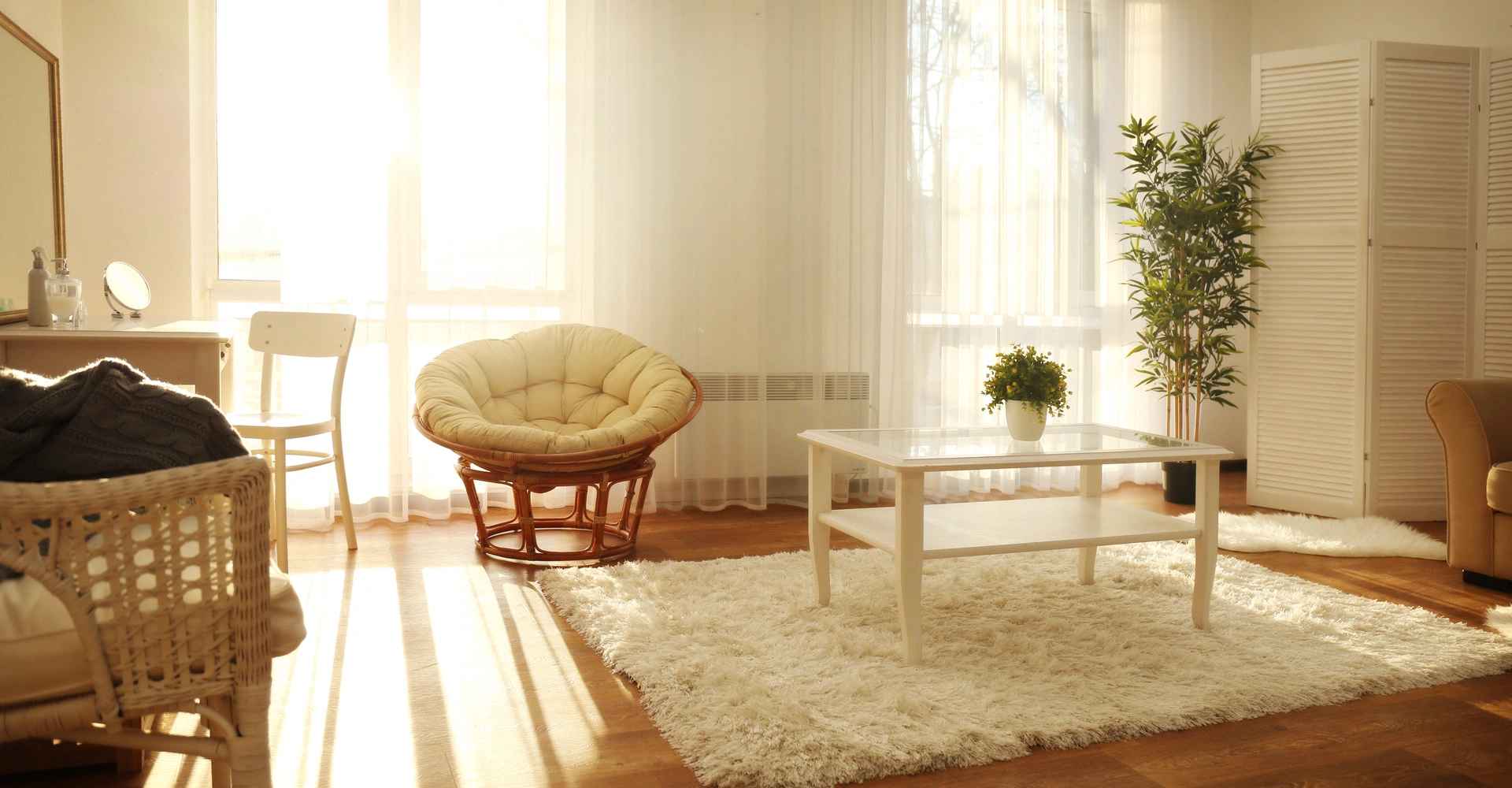
Walk into some flats during the middle of a bright afternoon and you’ll still find someone reaching for the light switch. Has this ever happened to you — bright sunshine outside, yet your living room feels dim and closed in? Learning how to increase natural light in home spaces isn’t just about aesthetics. It genuinely changes how a room feels to spend time in, and it can meaningfully cut your daytime electricity use too.
I lived in a north-facing flat for a couple of years that barely saw direct sun, and honestly, I tried nearly every trick going before finally landing on a combination that actually worked. This guide covers what genuinely helps, based on real trial and error, tailored for Indian apartments in 2026 where window placement is often fixed and you can’t just knock down a wall for a skylight.
Why Natural Light Matters More Than People Realise
Featured answer: Natural light improves mood, reduces eye strain, supports better sleep by regulating circadian rhythm, and cuts daytime electricity costs by reducing reliance on artificial lighting. Rooms that receive adequate daylight also tend to feel visually larger and more welcoming than identically sized dim spaces.
Related home guide: From the First Conversation to the Final Details: Making an Interior Project Work →
I’ve noticed a real difference in my own mood between the dim flat and my current one, which gets much better light. It’s not just in my head either — there’s genuine research linking daylight exposure to better sleep and lower stress.
There’s a financial angle too, which matters in most Indian households. Rooms that don’t need lights on until evening genuinely add up in savings over months.
Use Mirrors to Bounce Light Around a Room
Featured answer: Positioning a large mirror directly opposite or adjacent to a window reflects incoming daylight deeper into a room, effectively doubling the perceived light source. Even a mid-sized mirror (₹1,500-3,000) can noticeably brighten a dim room within minutes of installation.
This is genuinely the cheapest, fastest fix on this entire list. A mirror placed opposite your main window catches daylight and throws it back across the room, brightening corners that would otherwise stay shadowed all day.
I’d avoid small decorative mirrors for this purpose though — go for something reasonably large, at least 2-3 feet, positioned to actually catch the window’s light angle rather than just facing a random direction.
Choose Lighter Wall Colours
Dark walls absorb light; light walls reflect it. This one’s simple physics, but people underestimate just how much difference it makes.
- Soft whites, pale greys, and warm creams reflect the most light without feeling cold
- Avoid stark, cool white if your room gets harsh direct sun — it can look flat and slightly clinical
- A single lighter accent wall opposite the main window maximises reflected light where it matters most
[link to related guide on choosing the right paint finish here]
Glossier paint finishes reflect more light than matte ones too, worth considering for genuinely dark rooms even if matte is generally preferred elsewhere.
Clear Window Obstructions
Sounds obvious, but I’ve been in so many homes where furniture, curtains, or clutter block a huge chunk of available window space without anyone really noticing.
- Move tall furniture away from windows, even by a foot or two
- Trim any plants or greenery, indoor or outdoor, that shade the window
- Keep window sills clear rather than cluttered with objects blocking the glass
- Clean windows regularly — genuinely dusty glass can block 15-20% more light than people expect
Swap Heavy Curtains for Sheer Fabric
Thick, dark curtains might look luxurious, but they’re genuinely one of the biggest light-blockers in most Indian homes.
- Sheer or lightweight cotton curtains let daylight filter through while still offering some privacy
- Layer sheer curtains with heavier ones you can pull back during the day and close only at night
- Light-coloured curtain fabric reflects more available daylight than dark, heavy fabric
Picture a small business owner in Jaipur who swapped heavy velvet curtains for sheer linen ones in her shop’s front window — customers actually commented the space felt “twice as big,” even though nothing structural had changed at all.
Consider a Sun Tunnel or Skylight for Serious Dark Spots
For rooms with genuinely limited window access — an internal bathroom or a windowless storage room converted into living space — a sun tunnel (a small tubular skylight) can bring in daylight without major structural work.
Costs typically run ₹15,000-35,000 installed, depending on roof access and room location. It’s a bigger investment than most items on this list, but for a permanently dark room, it’s often the only real fix.
[link to related guide on how to plan a home improvement budget here]
Use Glass or Open Shelving Instead of Solid Furniture
Solid, bulky furniture near windows or in the light’s path blocks more daylight than people account for.
- Glass-top tables let light pass through rather than absorbing it
- Open shelving units instead of solid wood cabinets keep sightlines and light paths open
- Lighter-coloured furniture reflects more ambient light than dark wood or upholstery
[link to related guide on small living room decorating ideas here]
FAQ: Common Questions About Increasing Natural Light at Home
How can I brighten a room with only one small window? Use a large mirror opposite the window to reflect available light, choose light wall colours, and swap heavy curtains for sheer fabric to maximise what little daylight enters.
Do lighter paint colours actually make a room brighter? Yes, genuinely — lighter colours reflect more light than dark ones absorb, which can noticeably increase how bright a room feels even with the same amount of incoming daylight.
Are sun tunnels worth installing in Indian homes? For genuinely dark rooms without window access, yes — they’re a meaningful investment that brings in real daylight, though the ₹15,000-35,000 cost makes sense mainly for persistently dark spaces rather than mildly dim ones.
Does cleaning windows really improve natural light? Yes, more than most people expect — dusty or grimy glass can block a significant portion of incoming light, especially in dustier Indian cities.
Can mirrors alone fix a dark room? Mirrors help significantly but work best combined with lighter wall colours and clear window access rather than as a single standalone fix.
Is glossy or matte paint better for reflecting light? Glossier finishes reflect more light than matte, though matte is often preferred for walls with imperfections — a satin finish is a reasonable middle ground for both light reflection and forgiving texture.
[link to related guide on scandinavian home design style guide here]
Wrapping It Up
You don’t need major construction to genuinely increase natural light in home spaces — mirrors, lighter colours, clear windows, and the right curtains handle most of the work for a fraction of the cost of structural changes. Save skylights or sun tunnels for the truly stubborn dark spots.
Start with the cheapest fix this weekend — reposition a mirror or swap one set of heavy curtains for sheer ones — and see how much difference it makes before considering anything bigger.
Explore more: Home Improvement · Renovations · Maintenance · Plumbing · Decorating ·