Choosing the Right Water Treatment System for Cleaner, Better-Tasting Water
Water plays a bigger role in our daily lives than we often realize. We use it to cook meals, make coffee, wash clothes, shower, clean our homes, and keep businesses running. So, when the water starts leaving white marks on faucets, develops an unpleasant smell, or tastes a little off, it’s hard to ignore. These small annoyances can quickly become everyday frustrations.
The good news is that water quality problems often have practical solutions. The trick is understanding what’s actually happening with your water before investing in equipment. Different systems are designed to address different concerns, and choosing the right one can improve convenience, protect plumbing fixtures, and help you feel more confident about the water you use.
Understanding What’s in Your Water
Water may look clear and still contain dissolved minerals, metals, or other substances that affect its quality. In some homes, the biggest complaint is hard water. In others, the problem might be sediment, an unusual taste, or an odor that becomes noticeable whenever someone turns on the tap.
Related home guide: Is Whole-Home Water Treatment Worth It? What Homeowners Should Know →
Your water source matters, too. Municipal water is generally treated before reaching homes, but its mineral content and taste can vary. Private wells require a different level of attention because groundwater conditions may change with rainfall, nearby land use, and other environmental factors.
Rather than guessing, start with a water test. Testing can help identify hardness, pH, iron, manganese, and other relevant parameters. Depending on the source and any specific concerns, additional testing for bacteria, nitrates, or other contaminants may be appropriate.
This step might seem like an unnecessary expense at first, but it can prevent you from purchasing a system that doesn’t solve the problem. After all, there’s little point in installing specialized equipment if the substance you’re trying to remove isn’t present in the first place.
How Water Softeners Help With Hard Water
Hard water is one of the most common reasons homeowners explore treatment options. It contains elevated levels of calcium and magnesium, minerals that can accumulate on shower doors, faucets, pipes, and heating elements. You may notice cloudy glassware, soap that doesn’t lather easily, or laundry that feels rough even after washing.
In many cases, water softeners can help reduce these everyday problems. Traditional ion-exchange softeners replace hardness minerals with sodium or potassium ions, depending on the system and its configuration. This process reduces the tendency for scale to form in plumbing and water-using appliances.
The benefits can be noticeable. Showerheads may stay cleaner for longer, soap can work more effectively, and household appliances may experience less mineral buildup. For people tired of scrubbing stubborn white deposits from bathroom fixtures every weekend, that’s a welcome change.
Still, a softener isn’t the answer to every water issue. It doesn’t automatically remove bacteria, pesticides, or all dissolved contaminants. It also adds sodium to the treated water when a sodium-based ion-exchange system is used, something people following medically recommended sodium restrictions should discuss with a qualified healthcare professional.
Before choosing a softener, consider your household’s water hardness, daily water use, available installation space, and ongoing maintenance needs. A correctly sized system is generally a better investment than one selected simply because it has the largest capacity or the lowest advertised price.
Cleaner Drinking Water Through Reverse Osmosis
Sometimes the main concern isn’t hard water at all. Perhaps tap water has a persistent mineral taste, or testing has identified dissolved substances that need to be reduced. That’s where a more targeted drinking-water treatment system may be useful.
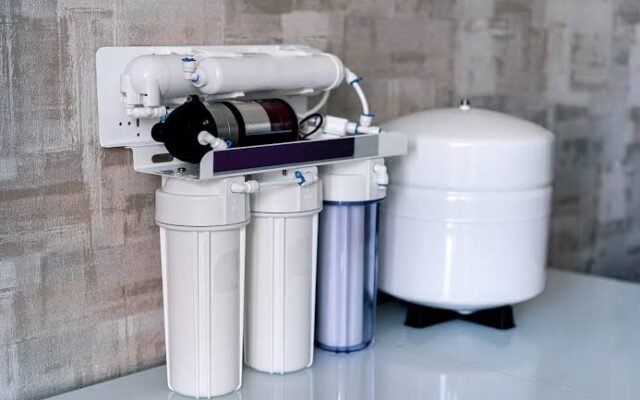
Reverse osmosis systems use pressure to push water through a semipermeable membrane. The membrane separates much of the water from many dissolved substances, allowing treated water to pass through while a concentrated portion is carried away as wastewater. The exact results depend on the membrane, system design, incoming water quality, and substances being measured.
These systems are commonly installed beneath kitchen sinks and provide treated water at a dedicated faucet. Some models combine reverse osmosis with sediment and carbon filters, creating several stages of treatment in one unit.
For families who drink plenty of water at home, the difference in taste can be appealing. It may also be useful when testing shows that particular dissolved contaminants need attention. However, not every reverse osmosis system removes every contaminant equally well, so check the product’s independent certifications and performance data.
Maintenance is important. Pre-filters and post-filters need replacement according to the manufacturer’s schedule, while the membrane must be inspected or replaced as recommended. Ignoring maintenance can reduce performance and increase running costs.
It’s also worth considering water efficiency. Reverse osmosis units produce wastewater during operation, although the amount varies considerably between models. If water conservation is important in your household, compare the system’s stated recovery rate before buying.
When Advanced Filtration Makes Sense
Not every water problem requires a softener or a reverse osmosis unit. Sometimes, a more targeted filtration method is the sensible choice.
Well-designed advanced filtration can address specific concerns such as sediment, unpleasant tastes, odors, or selected contaminants when the filtration technology is appropriate for the water being treated. Sediment filters capture particles, while activated carbon can reduce chlorine taste and odor and certain organic compounds. Specialized filter media may help manage iron, manganese, or other substances under suitable conditions.
The important word here is specific. A basic sediment cartridge won’t remove dissolved salts, and a carbon filter shouldn’t be assumed to make microbiologically unsafe water safe to drink. Each technology has limitations.
For this reason, look beyond marketing claims. Check whether the system has been independently tested or certified for the particular contaminant you want to reduce. Certification to a recognized standard can provide useful evidence of performance, but the exact standard and contaminant claim still matter.
Filtration also requires regular attention. As filters collect particles or reach the end of their service life, water flow and treatment performance may decline. Following replacement schedules helps the equipment work as intended.
Should You Choose One System or Combine Several?
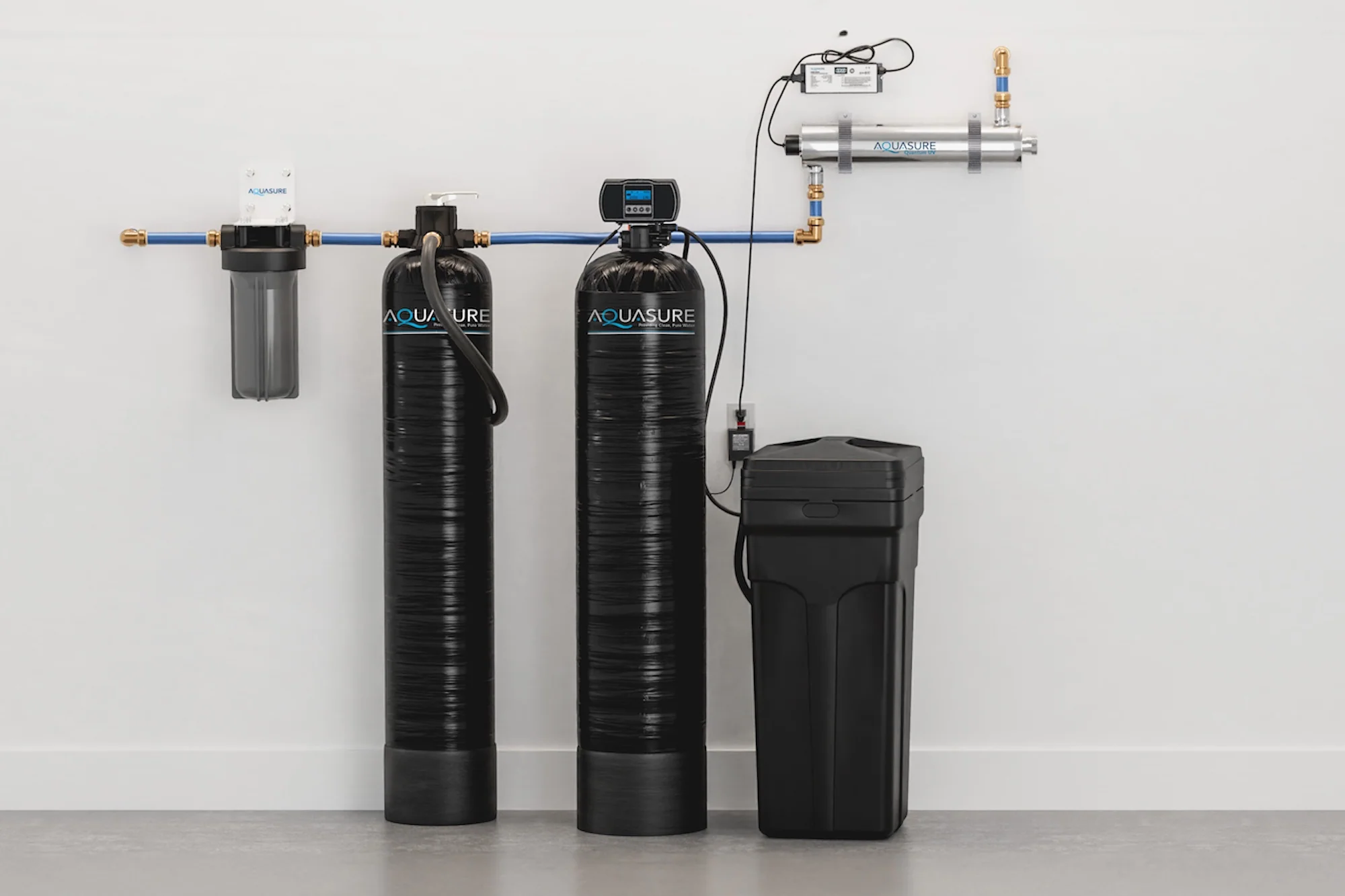
The answer depends on your water test results and what you want to improve. A household with hard water and a separate drinking-water concern might benefit from a whole-house softener paired with a point-of-use reverse osmosis system. Another property might need only a sediment filter and a carbon cartridge.
Whole-house equipment treats water entering the property, making it suitable for concerns affecting showers, laundry, plumbing, and appliances. Point-of-use systems focus on a particular outlet, such as the kitchen drinking-water tap.
Combining technologies can work well, but adding more equipment isn’t automatically better. Multiple systems mean more installation work, replacement parts, maintenance, and expense. A professional assessment can help determine whether a combined setup is justified.
Ask for a clear explanation of what each component does, what it removes, and what maintenance it requires. You should be able to understand the purpose of every piece of equipment in your treatment setup.
Keeping Your Water Treatment System in Good Shape
Even a high-quality system needs routine care. Keep track of filter replacement dates, check salt levels in applicable softeners, and arrange servicing according to the manufacturer’s guidance. If the water suddenly changes taste, color, or smell, investigate the cause rather than assuming the equipment will handle it.
For private wells, regular testing remains important even after treatment equipment has been installed. A treatment system isn’t a substitute for checking the source, and sudden changes may indicate a problem that requires prompt attention.
It’s equally sensible to review your system when household needs change. A growing family, a home renovation, or increased water consumption can affect the capacity required.
Making a Confident Choice for Your Home
Better water doesn’t necessarily mean buying the most expensive equipment on the market. It means identifying the problem, understanding the available technologies, and choosing a system that fits your water quality, household needs, and budget.
Start with testing, compare treatment options carefully, and pay attention to maintenance costs as well as the initial price. Ask questions about performance claims and look for evidence that the equipment is suitable for your specific concern.
Water is part of almost every routine, from the first glass in the morning to the final load of laundry at night. When the treatment system matches your needs, those routines can become simpler, your appliances may benefit, and you’ll have a clearer understanding of the water flowing through your home. That’s a practical improvement worth making.
Explore more: Home Improvement · Renovations · Maintenance · Plumbing · Decorating ·