Is Whole-Home Water Treatment Worth It? What Homeowners Should Know
Water affects more of your home than you might realize. It runs through the kitchen faucet, fills the washing machine, heats up for a morning shower, and flows through pipes you rarely think about until something goes wrong. When water leaves mineral deposits on fixtures, develops an unpleasant smell, or causes persistent plumbing problems, those small annoyances can quickly become part of everyday life.
That’s often when homeowners start looking beyond a simple drinking water filter. A system that treats water as it enters the property may offer a more complete solution, depending on the quality of the supply and the problems that need attention. But is a whole-house setup really necessary? The answer depends on your home, your water, and what you’re hoping to improve.
What Does a Whole-Home Water Treatment System Do?
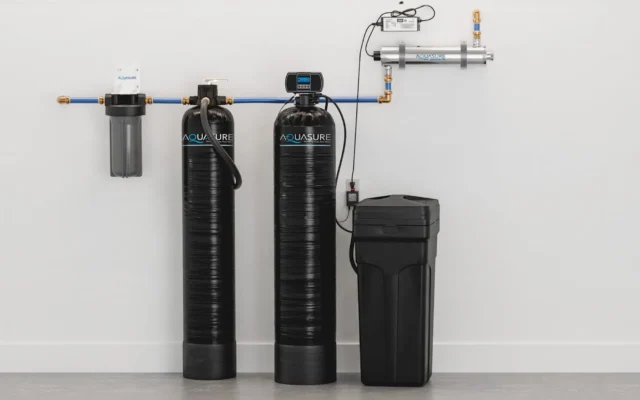
Unlike a filter installed beneath the kitchen sink, a whole home water treatment system treats water at or near the point where it enters the house. Depending on its design, it can address selected water quality concerns before water reaches showers, washing machines, water heaters, and household taps.
Related home guide: Choosing the Right Water Treatment System for Cleaner, Better-Tasting Water →
That doesn’t mean every system removes every unwanted substance. Some are designed primarily to reduce sediment, others address hardness, and specialized filters target particular contaminants. A carefully selected combination may be necessary when several issues occur together.
For example, a household dealing with hard water might benefit from a water softener to reduce calcium and magnesium. If the incoming supply also contains sediment, a suitable sediment filter may help protect downstream equipment. Homes concerned about chlorine taste or odor may need an appropriate carbon filtration stage.
The key is to identify the problem first. Buying a large system without understanding the water quality can lead to unnecessary expense and disappointing results.
Signs Your Home Might Benefit From Whole-House Treatment
Sometimes the clues are obvious. White crusty deposits around faucets, cloudy shower screens, and soap that doesn’t seem to lather properly can indicate hard water. Over time, scale may accumulate inside plumbing and water heaters, potentially affecting their performance.
Other concerns are less visible. Sediment may appear after plumbing repairs or changes in the water supply. Chlorine odors can make showering less pleasant for some people, while certain contaminants require testing because they cannot be reliably identified by taste, smell, or appearance.
Pay attention to whether the issue occurs throughout the property or at only one tap. If the main concern is the taste of drinking water, a point-of-use filter may be enough. If several fixtures experience the same problem, a whole-house assessment could make more sense.
Water source matters, too. Municipal water is generally treated and monitored, although conditions can vary and household plumbing may introduce additional concerns. Private wells require more individualized testing, particularly for bacteria, nitrates, and naturally occurring contaminants relevant to the local area.
Before investing in equipment, obtain appropriate water testing. The results help determine which treatment technologies are suitable and which aren’t necessary.
Choosing the Right Equipment for Your Household
Water treatment isn’t a one-size-fits-all purchase. The best equipment depends on the substances present, the amount of water your household uses, and the results you want to achieve.
Water softeners are commonly used to address hardness. By reducing calcium and magnesium, they can help limit scale formation and make cleaning easier. Traditional ion-exchange models require salt or another suitable regenerant, so ongoing maintenance should be part of the decision.
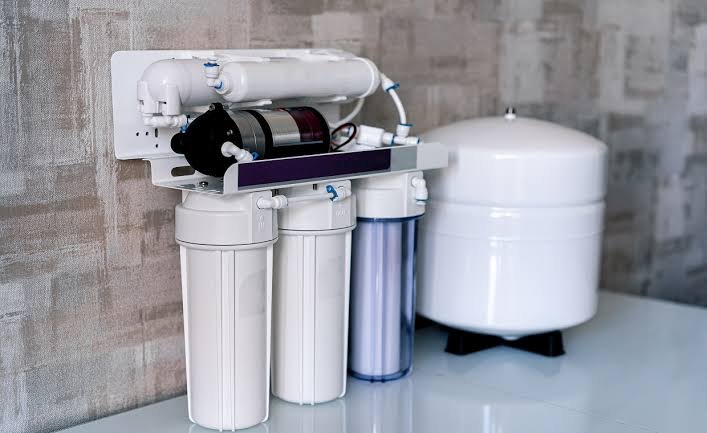
Sediment filters remove suspended particles such as sand and rust. Activated carbon filters can reduce chlorine taste and odor, along with certain other substances when the specific filter is designed and certified for that purpose. Reverse osmosis systems are often better suited to drinking water at a dedicated tap because they reduce various dissolved substances without treating every outlet in the house.
For private wells with microbial concerns, ultraviolet disinfection may be appropriate as part of a properly designed treatment setup. However, UV treatment doesn’t remove dissolved chemicals, and its effectiveness depends on correct installation, water clarity, and maintenance.
Look for independent certification, including relevant NSF or WQA standards, and check the precise reduction claims for each model. Broad marketing statements aren’t enough. A filter that reduces chlorine, for instance, shouldn’t automatically be assumed to remove lead, arsenic, or bacteria.
Why Professional Installation Makes a Difference
Whole-house systems involve more than attaching a cartridge to a faucet. Equipment must be correctly sized, connected to the plumbing, and configured according to the manufacturer’s specifications. Some systems also require drainage, electrical connections, or adequate space for maintenance.
Having a system professionally installed and maintained can help ensure that it operates as intended. A qualified installer can assess water pressure, household demand, pipe layout, and any plumbing limitations before recommending a suitable configuration.
Sizing is particularly important. A system that’s too small may struggle during periods of high demand, while an oversized setup can increase upfront costs without providing meaningful benefits. A professional should explain the reasoning behind the recommended capacity rather than simply suggesting the largest available model.
Installation is also a good opportunity to ask practical questions. Which taps receive treated water? How often should filters be replaced? Does the system require salt? What should you do if water pressure changes or a warning light appears?
Get the answers in writing when possible, along with a clear breakdown of equipment, labor, replacement parts, and warranty coverage.
Understanding the Long-Term Costs
The initial purchase price is only one part of the investment. Depending on the technology, you may need replacement cartridges, salt, membrane changes, professional servicing, or occasional repairs.
Some systems also use water during regeneration or filtration, so operating efficiency deserves attention. Compare models based on their expected maintenance requirements rather than choosing solely by upfront price.
It’s wise to ask how readily available replacement parts are. An inexpensive system becomes less attractive if its cartridges are difficult to source or require frequent replacement. Check whether the manufacturer provides clear maintenance instructions and whether the installer offers ongoing support.
Homeowners should also consider their future plans. If you’re likely to move soon, an expensive installation may not deliver the same value as a simpler solution. If you plan to stay for years, reducing recurring scale problems or addressing a persistent water quality concern may justify the investment.
Buying Supplies Without Unnecessary Restrictions
Maintenance products can become a regular household expense, particularly when equipment relies on replacement filters, softener salt, or other consumables.
Some suppliers advertise no minimum order policies, allowing homeowners to purchase the quantities they actually need instead of buying more than their storage space or budget permits. This can be convenient for households with smaller systems or unpredictable replacement schedules.
Still, don’t base purchasing decisions on order size alone. Confirm that replacement products are compatible with your equipment, check the recommended replacement intervals, and compare delivery costs. Buying a larger quantity may sometimes be economical, but only if the supplies can be stored properly and used before their recommended shelf life expires.
Keep a simple record of installation dates and maintenance tasks. It’s an easy habit, and it helps prevent the common problem of forgetting when a filter was last changed.
A Practical Investment, Not a Universal Requirement
Whole-house water treatment can be worthwhile when testing identifies a problem that affects multiple fixtures or when a specific treatment method offers clear household benefits. It isn’t automatically necessary for every property, and more equipment doesn’t always mean better water.
Start with reliable information about your supply, decide which concerns matter most, and compare systems that are designed to address them. Ask questions about certification, installation, maintenance, and long-term expenses before signing a contract.
The goal isn’t to build the most complicated treatment setup possible. It’s to find a dependable solution that fits your water quality, your household’s needs, and your budget. With the right approach, better water can mean fewer frustrating deposits, more manageable maintenance, and greater confidence in the water flowing through your home.
Explore more: Home Improvement · Renovations · Maintenance · Plumbing · Decorating ·