Termite Prevention Tips Every Homeowner Should Know
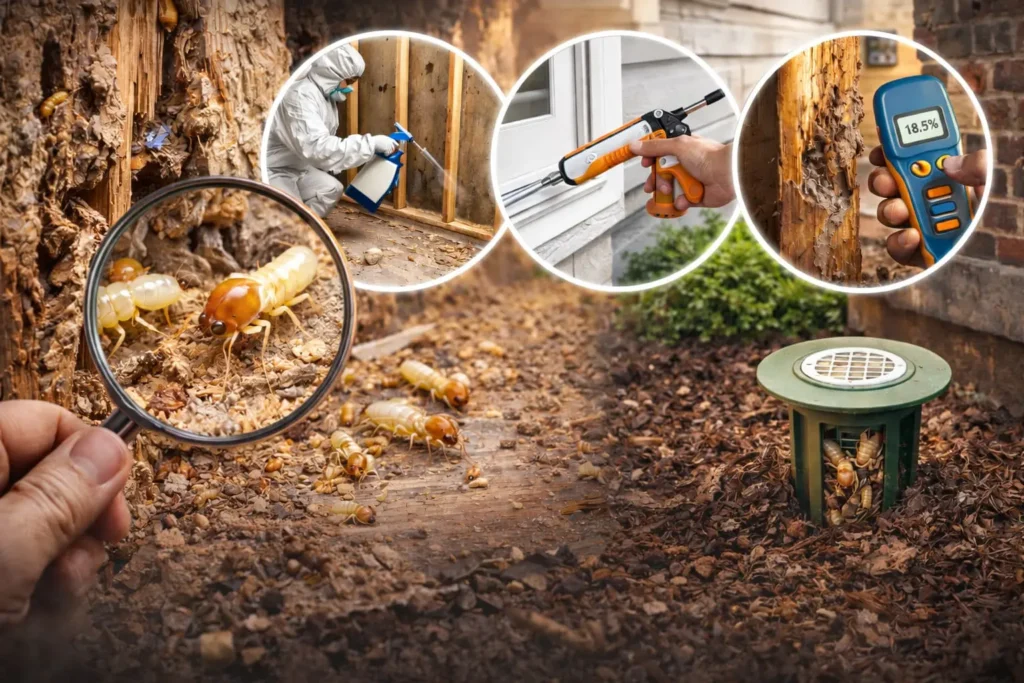
You open an old wardrobe and the wood crumbles slightly at the edge, almost powdery, like it’s been hollowed out from the inside. Has this ever happened to you? That’s usually the moment people realise termites have been quietly working away for months, sometimes years, completely unnoticed. Good termite prevention tips are about catching the warning signs early, because by the time damage is visible, it’s often already significant.
I learned this the hard way with an old wooden bed frame that looked completely fine on the outside, until it genuinely gave way one night. Termites had hollowed out most of the interior structure without a single visible sign from the top. This guide covers what actually works to prevent termites in Indian homes in 2026, based on both my own experience and what pest control professionals actually recommend, not just generic advice copied from elsewhere.
Why Termite Prevention Matters More in Indian Homes
Featured answer: India’s warm, humid climate and widespread use of wood in furniture, door frames, and flooring create ideal conditions for termite infestations. Termites can cause structural damage costing lakhs of rupees if left undetected, since they often destroy wood from the inside while leaving the surface looking intact.
Related home guide: RO Water Purifier Maintenance: A Complete 2026 Guide →
Termites genuinely thrive in exactly the conditions most of India offers year-round — humidity, warmth, and plenty of wood to feed on in furniture, door frames, and even structural beams in older homes.
I’ve noticed people assume termites are only a problem for very old houses. That’s not accurate at all. New constructions with untreated wood are just as vulnerable, sometimes more so if proper pre-construction treatment was skipped to save cost.
Early Warning Signs of Termites
Featured answer: Common termite warning signs include mud tubes along walls or foundations, hollow-sounding wood when tapped, discarded wings near windowsills, and small holes with fine sawdust-like debris (frass) nearby. Spotting these early can prevent significant structural damage.
Has this ever happened to you — noticed a thin, dirt-like tube running up a wall and dismissed it as construction debris? That’s often a termite mud tube, a telltale sign they’re active nearby.
- Mud tubes along walls, foundations, or wooden structures
- Wood that sounds hollow or feels soft when tapped or pressed
- Discarded wings scattered near windowsills, often after a termite swarm
- Small pinholes in wood, sometimes with fine, sawdust-like droppings nearby
- Sagging floors or ceilings in severe, long-neglected cases
Pre-Construction and Renovation Termite Treatment
If you’re building new or doing a major renovation, this is genuinely the most effective, cost-efficient time to prevent termites long-term.
- Soil treatment with termiticide before laying the foundation, a standard practice most contractors should already include
- Treated wood for door frames, window frames, and any structural wooden elements
- Proper drainage planning to avoid moisture accumulation near the foundation
- A physical termite barrier (steel mesh or sand barrier) around foundation edges, increasingly common in 2026 construction
[link to related guide on renovating an old house where to start here]
Skipping pre-construction treatment to save a relatively small upfront cost is genuinely one of the most expensive mistakes homeowners make, given how much termite damage can cost to repair later.
Reduce Moisture Around Your Home
Termites need moisture to survive, so managing dampness is one of the most effective termite prevention tips available.
- Fix leaking pipes and taps promptly — even minor, persistent leaks create ideal termite conditions
- Ensure proper drainage away from the foundation, avoiding standing water near the base of the house
- Keep gutters clear so rainwater doesn’t pool against walls or foundations
- Ventilate crawl spaces and basements properly to reduce humidity buildup
[link to related guide on common plumbing problems and how to fix them here]
Keep Wood and Soil Contact to a Minimum
Direct contact between wood and soil is basically an open invitation for termites.
- Avoid stacking firewood or wooden storage directly against exterior walls
- Elevate wooden furniture slightly where possible, rather than direct floor contact in humid areas
- Remove tree stumps or dead wood near the house, which can harbour termite colonies before they migrate indoors
- Store wooden furniture in dry, well-ventilated spaces rather than damp storage rooms
Picture a small business owner in Jaipur who stored extra wooden shop fixtures in a damp storeroom for months — by the time she needed them again, termites had already spread from the stored pieces into a nearby wooden shelf unit permanently attached to the wall. Isolated storage would’ve prevented the spread entirely.
Regular Inspection Schedule
Catching termites early genuinely makes the difference between a minor treatment and a major structural repair.
- Inspect wooden furniture, door frames, and window frames every 3-6 months
- Check basements, crawl spaces, and areas with less foot traffic more carefully, since termites often go unnoticed there longest
- Professional termite inspections annually are worth the cost (₹500-1,500 per visit) for genuine peace of mind
- Pay closer attention right after monsoon season, when humidity peaks and termite activity often increases
[link to related guide on seasonal home maintenance checklist here]
Natural and Chemical Termite Prevention Options
- Neem oil, applied to wooden surfaces, has some natural termite-repelling properties, though it’s not a substitute for proper chemical treatment in high-risk areas
- Borate-based wood treatments offer longer-lasting protection for furniture and structural wood
- Professional termiticide barriers around the foundation remain the most effective preventive measure for whole-home protection
- Orange oil treatments are increasingly available in India and work well for localised, smaller infestations
FAQ: Common Questions About Termite Prevention
How can I tell if my home already has termites? Look for mud tubes on walls, hollow-sounding wood, discarded wings near windows, and small holes with sawdust-like debris — any of these warrant a closer professional inspection.
How often should I get a professional termite inspection? Annually is a reasonable baseline for most homes, though homes in high-humidity areas or with significant wooden structures may benefit from inspections every 6 months.
Does termite damage get covered by home insurance in India? Generally no — most standard home insurance policies in India exclude termite and pest damage, making prevention significantly more cost-effective than relying on insurance coverage.
Can I prevent termites without chemical treatment? Natural methods like neem oil and moisture control help reduce risk, but for genuine long-term protection, especially in high-risk areas, professional chemical barrier treatment is significantly more effective.
How much does termite treatment cost in India? Preventive soil treatment during construction typically costs ₹15-25 per sq ft, while treating an existing infestation can range from ₹5,000-25,000 depending on severity and home size.
Is termite damage always visible from outside the wood? No, and this is exactly why it’s dangerous — termites often hollow out wood from the inside, leaving the surface looking intact until the structure is significantly compromised.
[link to related guide on signs your home needs urgent repairs here]
Wrapping It Up
Good termite prevention genuinely comes down to controlling moisture, minimising direct wood-soil contact, and catching warning signs early through regular inspection. None of this is complicated, but it does need consistency — a once-a-year check is far cheaper than discovering structural damage after the fact.
If it’s been a while since you last checked your wooden furniture, door frames, or basement for warning signs, that’s worth doing this week. Termite damage compounds quietly, and the earlier you catch it, the smaller the fix.
Explore more: Home Improvement · Renovations · Maintenance · Plumbing · Decorating ·