Three Ways to Set an Oval Lab-Grown Diamond: Solitaire, Halo and Three-Stone
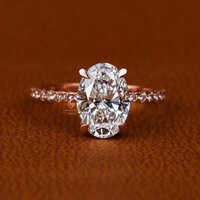
An oval can look long and clean in one setting and almost floral in another. The difference comes from what surrounds the stone. A solitaire keeps its edge easy to follow. A halo draws a second outline around it. A three-stone arrangement spreads the eye across the finger and adds a different rhythm. Before choosing, look at the actual oval you would buy, since the length, width and curvature will shape what each setting can do.
Try to compare all three with similar centre stones and in the same metal colour. Check both the face and the profile before moving on. Examples of oval lab-grown diamond engagement ring designs can help you decide which view to examine first.
A solitaire keeps the curve in view
Related home guide: Roto Dachfenster Preisliste →
A simple band leaves the silhouette of the oval easy to read. Claws sit at points on the edge, and their placement can subtly affect how long or wide the stone looks. A bezel draws a continuous line, making the shape more graphic. Compare them from directly above and then from the side. The amount of metal visible around the stone changes with the angle.
A slim band can make the oval the obvious focus. A wider band brings more of the metal into the composition. Ask to see a wedding band beside the solitaire if you plan to wear the two together. How they meet depends on the profile beneath the stone and the room available around the base of the setting.
A halo brings light around the outline
A halo of smaller stones increases the overall footprint and adds a fine border of sparkle. A close halo can follow the oval tightly, giving the impression of a single continuous shape. A slight separation can make the centre more distinct. Compare those details in normal light at the distance you would usually look at your hand.
Look at the outer dimensions, including the halo. A border can make a modest increase in width feel quite different between the fingers. Ask about access for cleaning and how the jeweller would replace an accent stone if needed. A small choice in construction can matter when you wear the ring often.
A three-stone ring changes the direction of the design
Rounded side stones soften the transition from the centre to the shoulders. Tapered side stones lead the eye towards the band. If you prefer some colour, test two small coloured stones against the oval before approving the proportions. You may find that a subtler colour difference works better than it appears in a sketch.
Check the height of the centre and side stones. If they sit far apart vertically, the ring may have a stepped look you enjoy from the side. A closer arrangement can feel like one continuous form. Put the ring on and close your fingers gently to check where the side stones end.
Final Thought
Compare the three settings by what they do to the oval you like. Follow the edge in a solitaire, judge the complete outline in a halo and see where your eye moves in a three-stone design. Use the side view to confirm that the ring also fits the way you want to wear it.
Explore more: Home Improvement · Renovations · Maintenance · Plumbing · Decorating ·